Water Damage Restoration Smithfield, NC
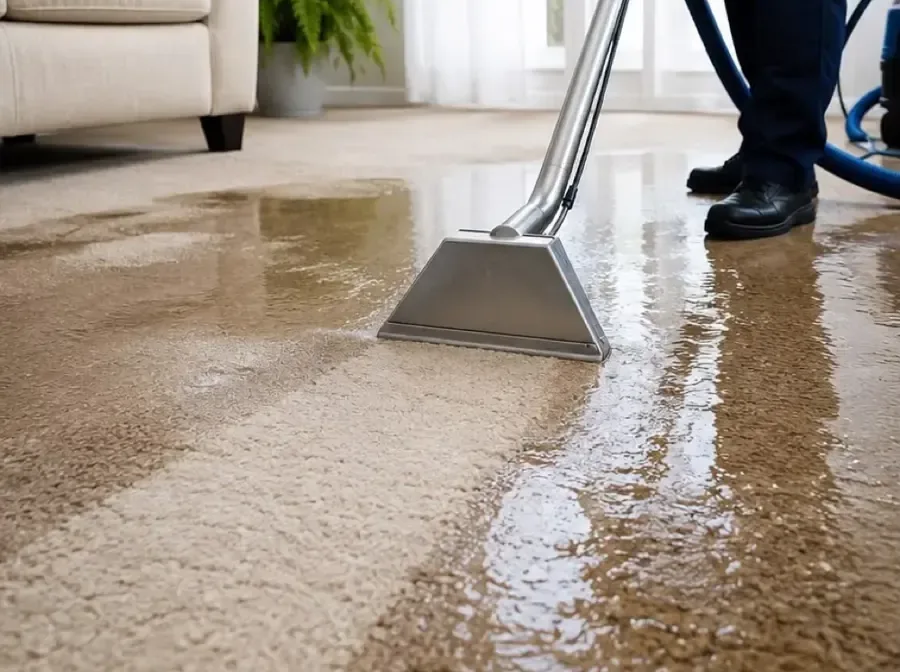
24/7 water damage restoration in Smithfield, NC starts with the source and the rooms it reached. The restoration team removes standing water, measures hidden moisture and dries affected materials to an IICRC S500 drying goal.
(888) 578-4720Stop the spread through your home- Measured structural drying
- Water extraction equipment
- Daily material readings
Wet floors, overhead leaks and contaminated backups need different cleanup plans. The assessment identifies the right sequence.
- 24/7 water responseSource control comes first
- IICRC S500A measured drying endpoint
- Water extractionRemove liquid before evaporation
- Moisture recordsTrack the materials below the finish
Water Damage Restoration Services in Smithfield, NC
A failed supply pipe needs source control. A sewer backup needs containment. Each service below explains what the cleanup addresses and how the drying team checks the materials left behind.
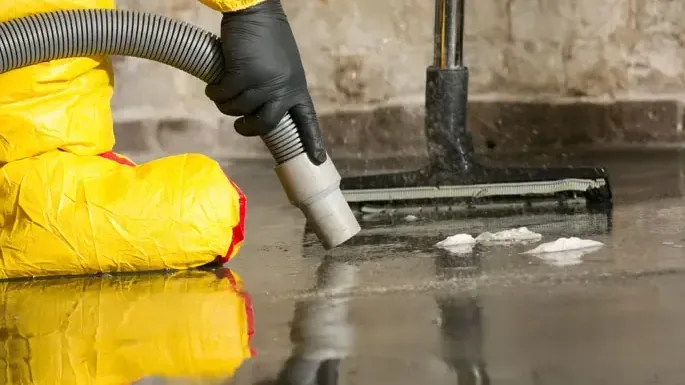
Water Extraction
Standing water comes out before fans start. Extraction tools reach carpet, hard floors and the edges where water collects beneath trim.
Water Extraction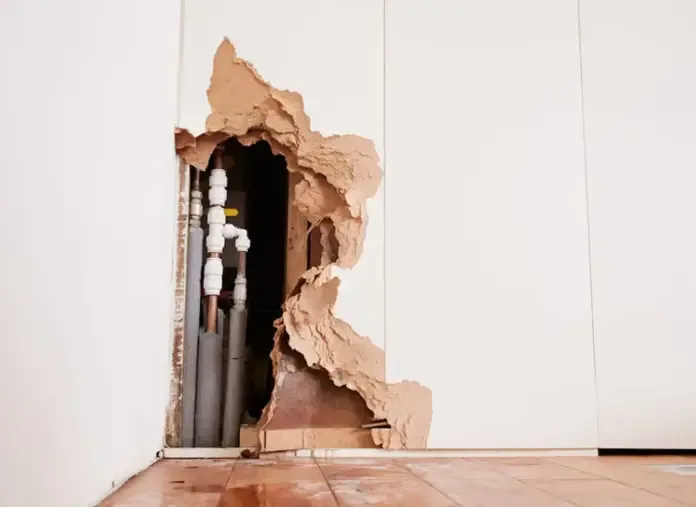
Burst Pipe Water Damage
A broken supply pipe can wet several rooms before the valve closes. Moisture mapping follows that path through walls and floor layers.
Burst Pipe Water Damage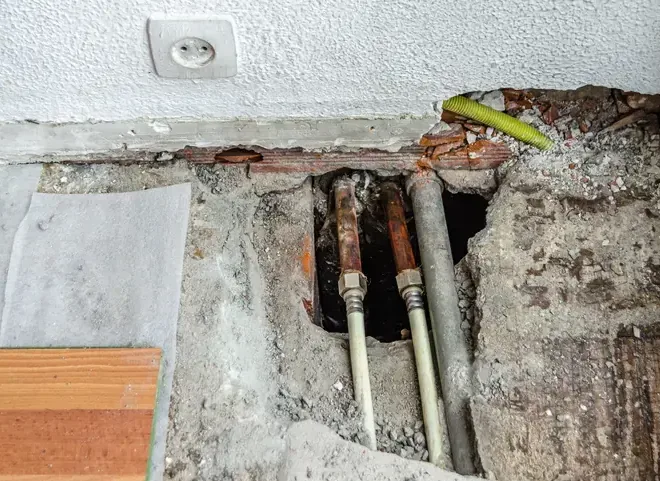
Slab Leak Water Damage
Damp flooring over concrete needs both leak detection and a drying plan. The crew measures the slab, nearby walls and trapped floor layers.
Slab Leak Water Damage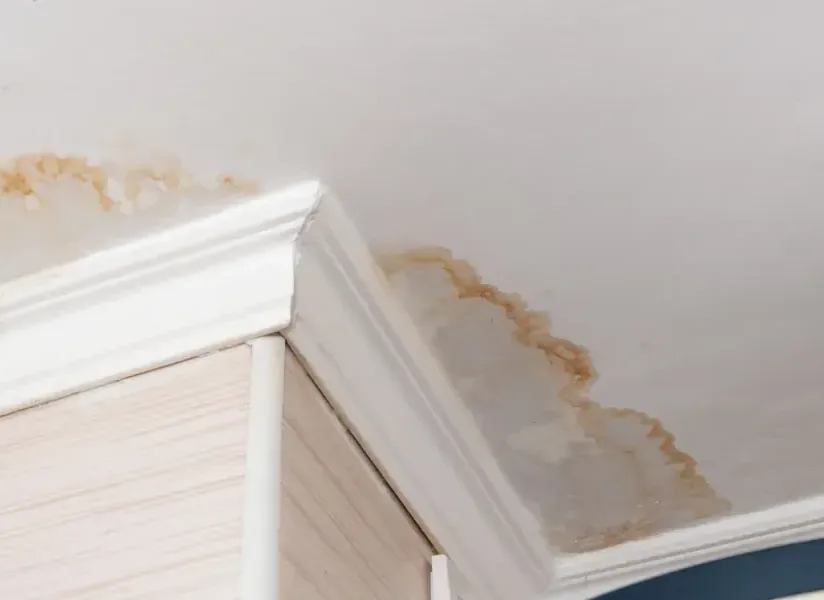
Ceiling Leak Water Damage
An overhead stain can conceal saturated insulation and soft drywall. The assessment checks electrical hazards and the full area above the visible mark.
Ceiling Leak Water Damage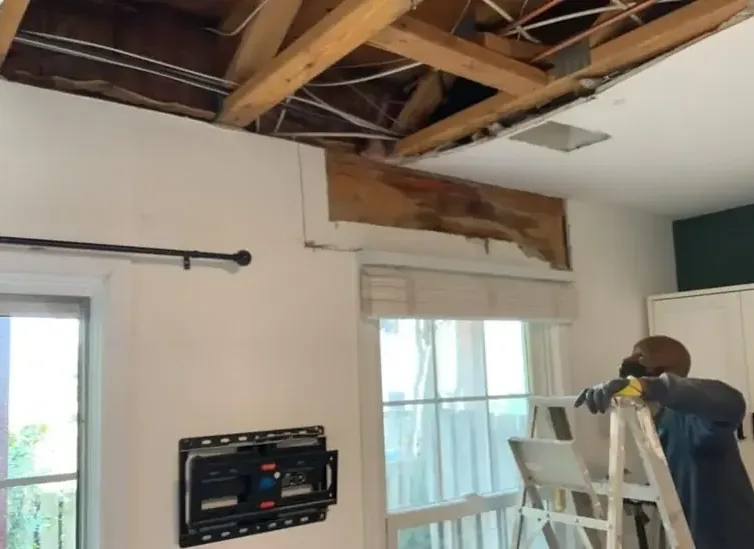
Roof Leak Water Damage
Rain travels along roof framing before reaching a room. Interior drying follows source protection and checks sheathing, insulation and ceiling materials.
Roof Leak Water Damage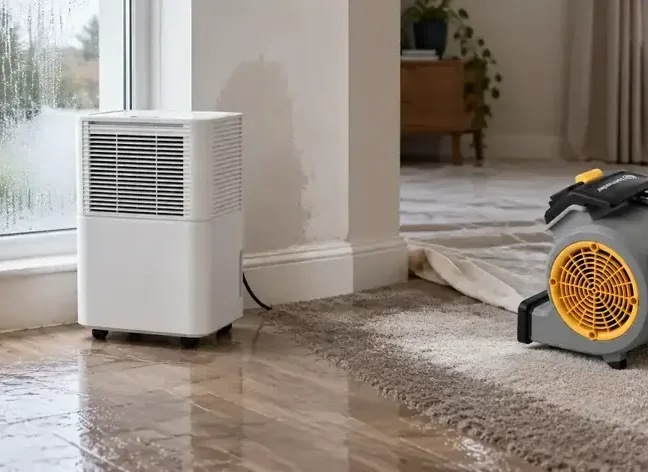
Storm Flood Cleanup
Outside runoff carries contaminants indoors. The response separates dirty water removal, damaged porous materials and the remaining structure that needs controlled drying.
Storm Flood Cleanup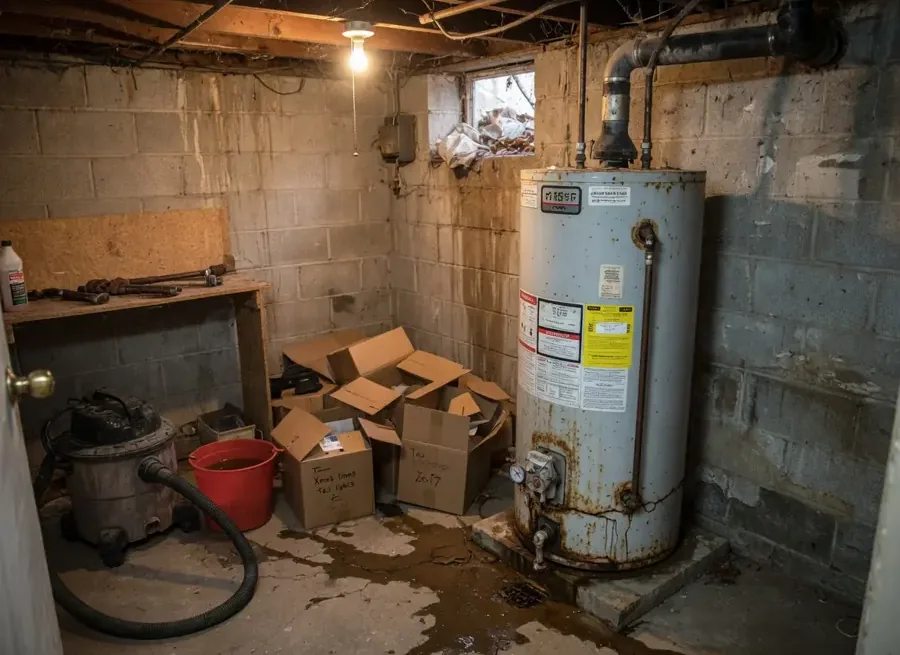
Water Heater Leak Cleanup
Water around a tank can continue beneath adjoining walls. Safe equipment isolation comes before extraction around the heater and nearby floor finishes.
Water Heater Leak Cleanup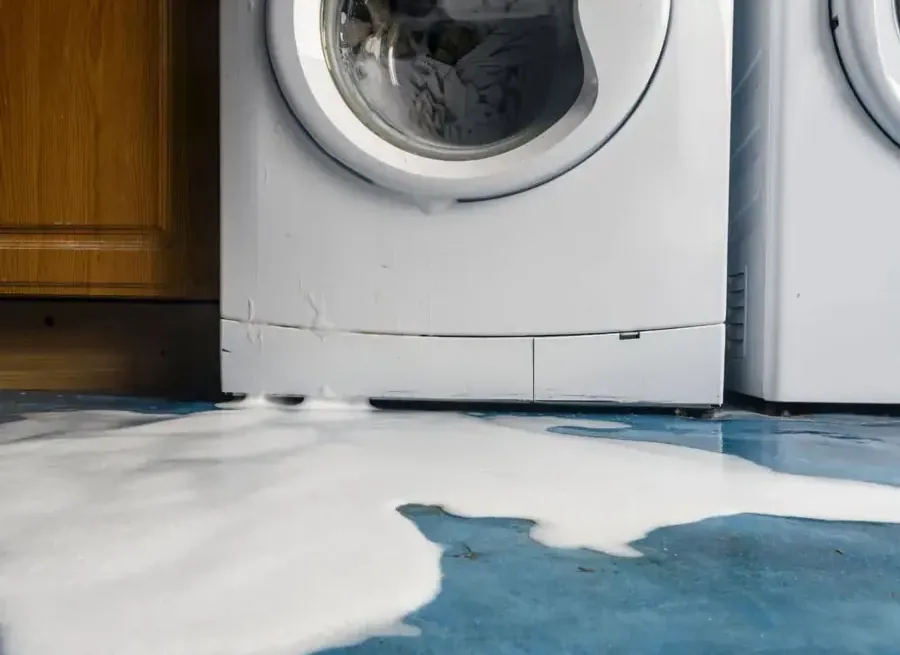
Appliance Leak Water Damage
A supply hose and a dirty drain release different water. The technician checks behind the appliance, under cabinets and across adjoining floors.
Appliance Leak Water Damage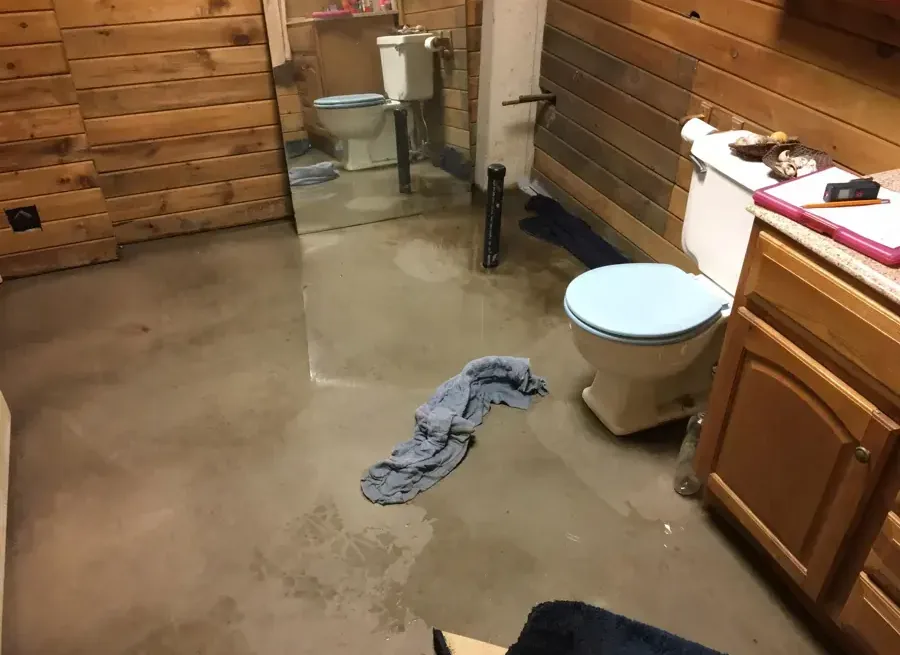
Toilet Overflow Cleanup
The cleanup follows what overflowed and where it traveled. Contaminated bowl water requires containment and careful removal of affected absorbent materials.
Toilet Overflow Cleanup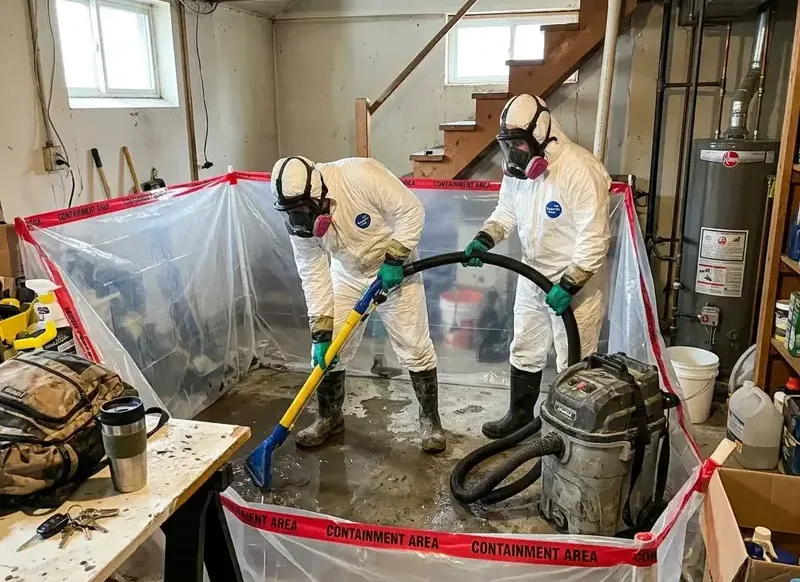
Sewage Backup Cleanup
Category 3 sewage needs protective equipment and a controlled work area. Extraction, porous material removal, cleaning and disinfection precede final structural drying.
Sewage Backup Cleanup
Hardwood Floor Water Damage
Cupped boards need readings below the surface. A floor assessment compares the finish, wood and subfloor before selecting a drying or removal method.
Hardwood Floor Water Damage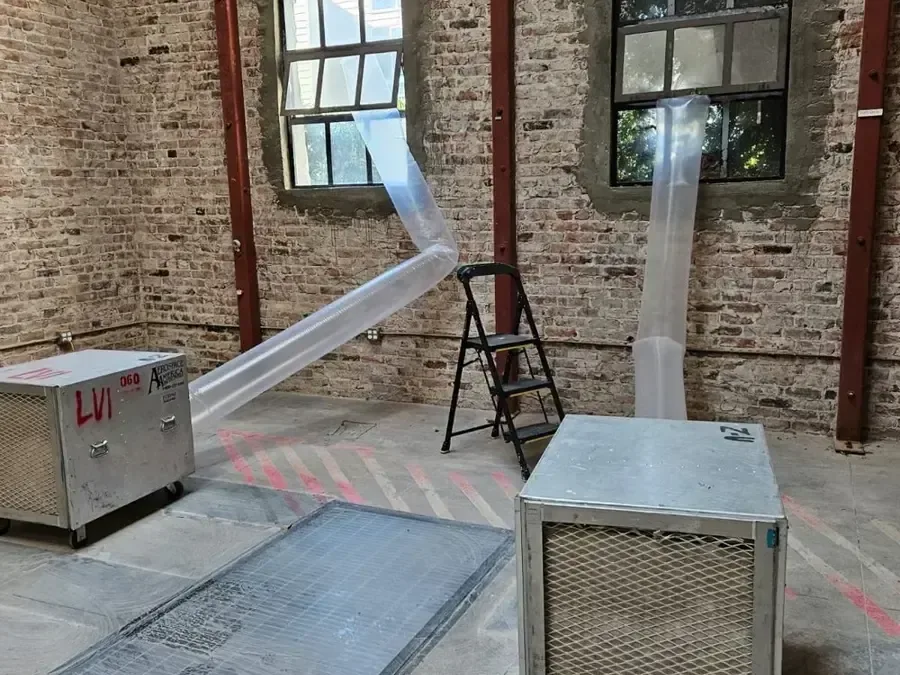
Structural Drying
A dry-looking surface can hide wet framing. Airflow, dehumidification and daily readings move each salvageable assembly toward its measured drying goal.
Structural Drying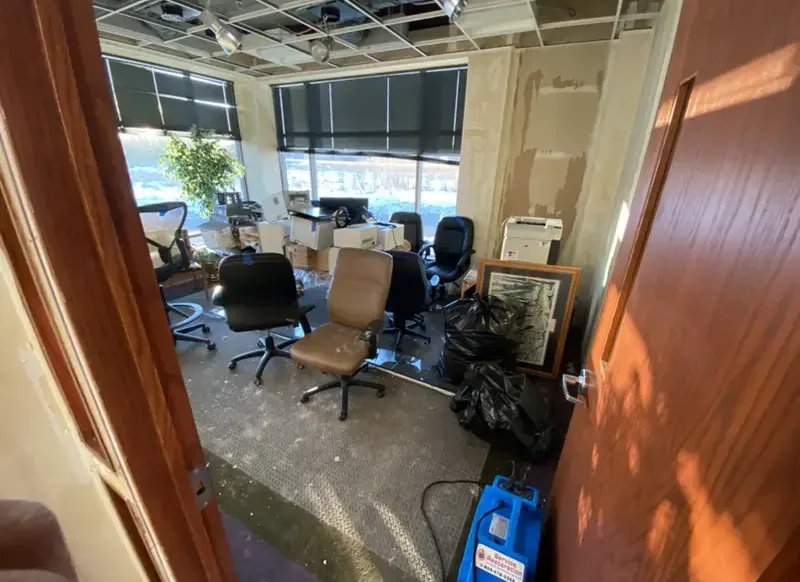
Commercial Water Damage
Work areas, inventory and customer access affect the scope. Phased extraction and drying help managers separate affected spaces from safe business operations.
Commercial Water Damage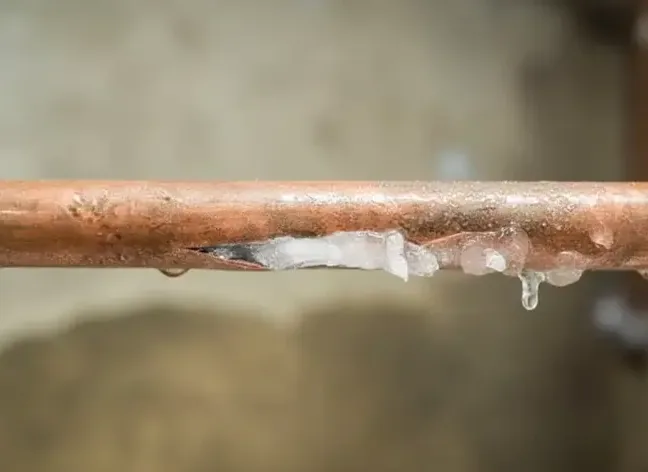
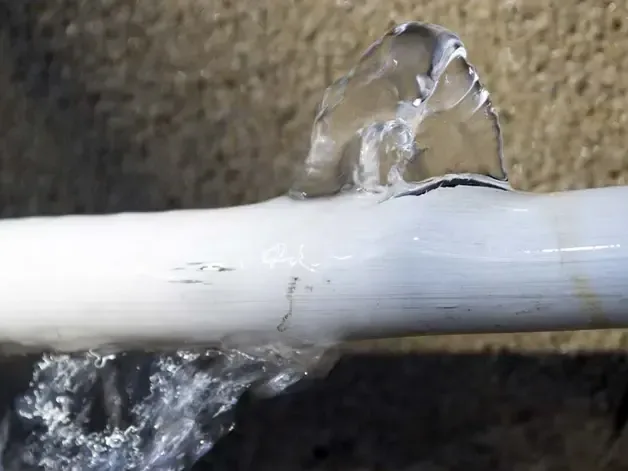
Frozen Pipe Water Damage
A thaw can reveal a split that ice temporarily plugged. The inspection checks additional exposed pipe sections as well as the water already released.
Frozen Pipe Water Damage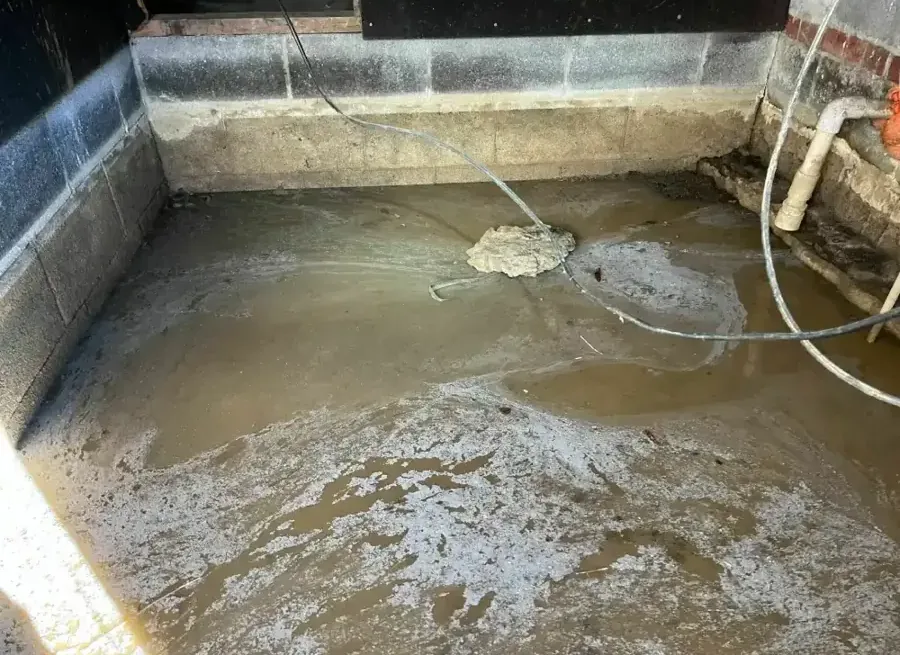
Crawl Space Water Removal
Standing water below the floor threatens insulation and framing. Safe entry, pumping, source correction and underfloor moisture checks belong in one assessment.
Crawl Space Water RemovalWhat to do while the water is still moving
- Avoid the wet hazard
Keep people away from outlets, appliances and sagging ceilings. A dry-looking doorway does not make a flooded room safe.
- Close a safe supply valve
A reachable shutoff can stop a plumbing discharge. Leave electrical equipment alone when water blocks safe access to the panel.
- Keep dirty water contained
Stop using fixtures when drains back up. Keep children and pets outside the affected room and avoid spreading contamination on footwear.
- Record the first damage
Take photographs from a dry location. Capture the source, wet floor edges and damaged belongings before cleanup changes the scene.
- Describe the loss
Note when the water appeared, whether it still flows and which materials got wet. Those details help prioritize the initial inspection.
How a water loss moves from puddles to dry materials
The drying crew follows water beyond the obvious room. A moisture map links the source to wall bases, floor layers and adjoining spaces, then provides the starting point for repeat readings.
Rapid local response
The response team treats active water as urgent and identifies safe access before unloading equipment. Source control and extraction take priority.
IICRC S500 drying standard
The restoration process accounts for water category, material condition and evaporation load. Drying targets come from suitable reference materials.
Claim-ready documentation
Photographs, readings and a clear scope show what got wet and why the crew dried or removed each affected material.
Local water experts
Properties around Market Street and West Smithfield need an assessment of their actual construction, entry points and affected rooms.
Water damage dried to the IICRC S500 standard
Structural drying addresses moisture inside salvageable materials. The technician selects equipment after measuring the wet area, checking water contamination and identifying floor, wall and ceiling assemblies. Material readings establish the completion point.
- Mapped moisture boundaries
- Balanced air and humidity
- Documented drying targets
- Extract liquid first
The extraction crew removes standing water and makes additional passes through absorbent flooring so dehumidifiers handle a smaller remaining load.
- Expose trapped pockets
Technicians inspect cavities, insulation and floor layers. Selective access opens wet assemblies when safe drying requires more than surface airflow.
- Control the indoor air
Air movers support evaporation while dehumidifiers remove moisture from the room. Closed exterior openings help preserve the controlled drying environment.
- Verify the materials
The drying technician repeats readings at marked locations and compares them with a dry reference before releasing an area for repairs.
What does water damage restoration cost in Smithfield, NC?
A contained clean-water dry-out often falls around $900 to $3,000. Several wet rooms or contaminated water can raise mitigation costs to $3,000 to $10,000 or more. Area, materials, water category and delayed drying determine the scope.
Contained clean-water loss
$900 to $3,000
- Limited floor area and wall edges
- Extraction and targeted air movement
- Material readings and drying records
Several connected rooms
$3,000 to $7,000
- More equipment and wet assemblies
- Cabinet or floor access where needed
- Repeat moisture checks across rooms
Contaminated or extensive loss
$7,000 to $10,000+
- Controlled removal of porous materials
- Cleaning before structural drying
- Detailed removal and equipment records
These are planning ranges, not a job quote. The water damage cost calculator compares common cost drivers; the property assessment determines the actual work and separate repair needs.
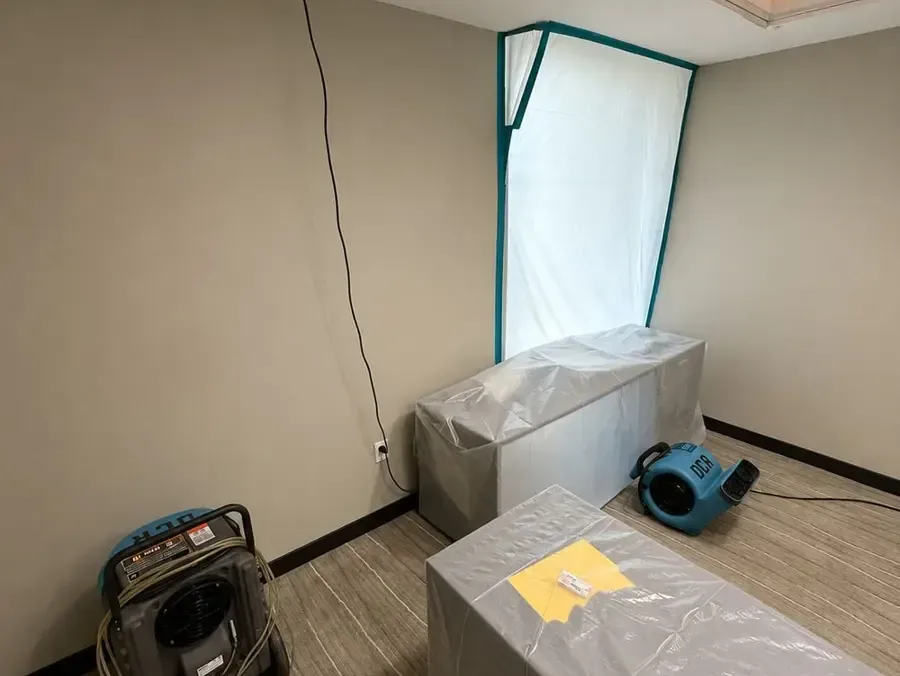
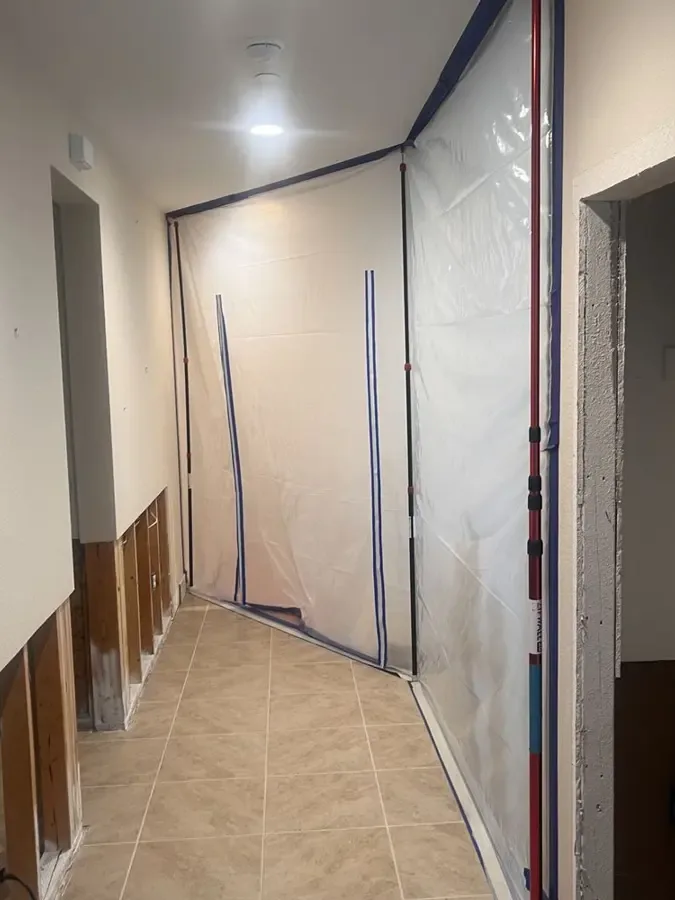
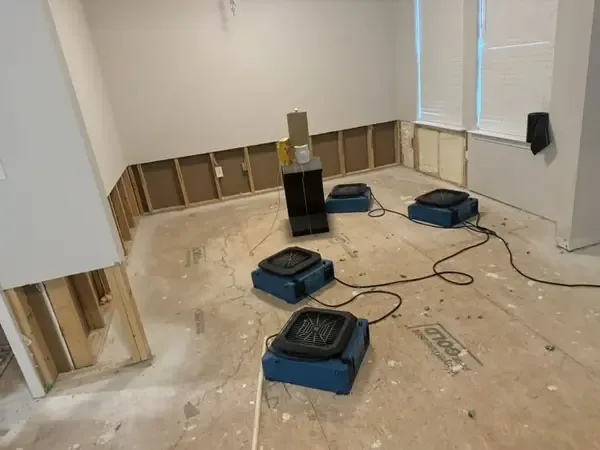
What a water damage dry-out looks like in Smithfield
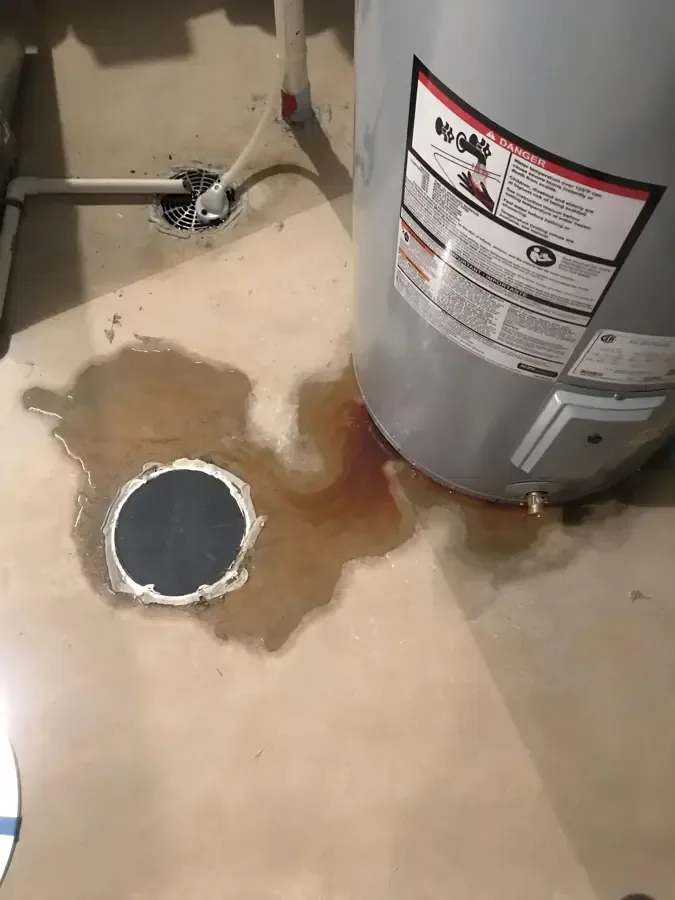
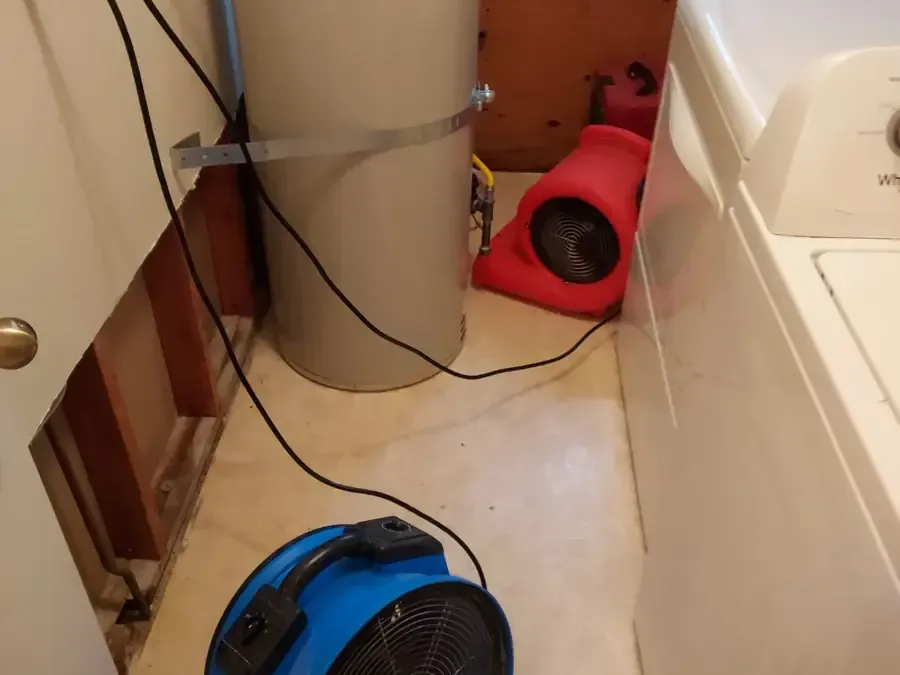
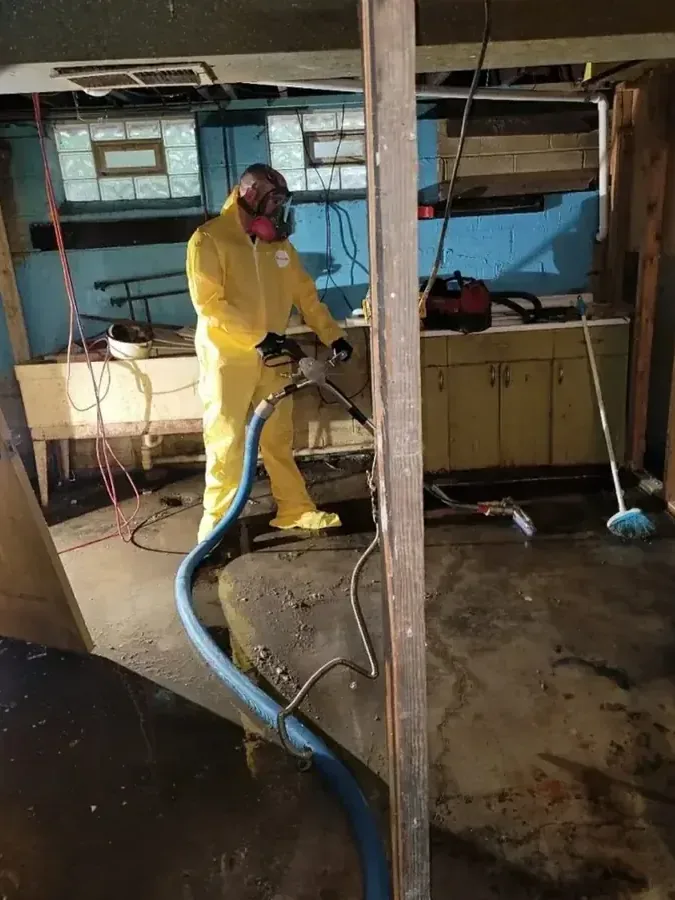
All water damage categories covered in Smithfield, NC
Category 1: sanitary source
A broken supply pipe may begin with sanitary water. Time, contact with dirty materials and site conditions can change the cleanup requirements.
Supply-pipe damageCategory 2: contaminated discharge
Appliance wastewater can carry detergents and other contaminants. The crew evaluates affected materials and cleans the area before selecting what remains for drying.
Appliance water lossesCategory 3: sewage or floodwater
Sewage and outside floodwater require protective controls. The team removes affected porous material and cleans accessible surfaces before disinfection and drying.
Sewage cleanup stepsDocumentation for your insurance claim
The mitigation record explains the condition found and the work performed. It keeps the source description, affected materials and drying progress together for the property owner.
- Dated photographs before removal changes the rooms
- The initial moisture map and affected material list
- Daily temperature, humidity and material moisture readings
- Water category, drying class and removal decisions
- An itemized scope and equipment-use record
Keep the claim file together
A sudden plumbing discharge and outside flooding fall under different policy provisions. The owner should discuss the source, deductible and notice requirements with the insurer.
Keep receipts, photographs and written repair recommendations with the claim correspondence in one folder so the owner and adjuster can follow the damage and completed work.
Water restoration across Smithfield, NC
Areas and connecting roads
- West Smithfield
- Historic downtown district
- Market Street
- Brightleaf Boulevard
- Interstate 95
ZIP coverage
27577
See the complete service areaSurrounding communities
Selma Clayton Benson Dunn Wendell24/7 water damage help in Smithfield, NC
The restoration assessment begins with the property location, the source and safe entry. The crew checks wet rooms and adjacent materials before selecting extraction and drying equipment.
A household can describe the water level, affected floor finishes and any ceiling or electrical concern. Sewage and outside runoff need separate precautions from a fresh supply leak.
(888) 578-4720Start with the source and roomsPlan before you call
Nearby service areas
Water damage questions explained
Read the water damage articles
Water damage around the Neuse River and downtown
The Neuse River, downtown properties and nearby road corridors provide the setting for local water losses. The inspection still starts inside the affected building, with its source and construction.
River and road setting: The Neuse River runs west of downtown and separates West Smithfield. Market Street carries U.S. 70 Business through the town center.
- River-side access: Properties around the Neuse River need safe access checks when outside water enters; an indoor plumbing loss needs its own source assessment.
- Downtown spaces: Commercial rooms near Market Street can share walls and floor layers, so moisture mapping includes adjoining spaces where water travels.
- Hot summers: The local climate has hot summers. Indoor humidity and cooling conditions influence how the drying crew controls evaporation after a leak.
- Cool winters: Exposed plumbing deserves attention during freezing conditions. After a thaw, a supply inspection and material readings address separate parts of the loss.
- Local landmarks: Buffalo Creek Greenway and the Ava Gardner Museum orient coverage, while each building inspection determines the cleanup and drying scope.
Smithfield water damage questions
What should happen before fans start?
The source needs control and the standing water needs removal. The technician also checks contamination and electrical safety. Fans alone can spread dirty droplets and cannot remove water trapped under floor coverings.
How long does structural drying take?
A limited clean-water loss often takes three to five days with suitable equipment. Dense wood, layered floors and closed cavities can take longer. Repeat material readings determine the finish, rather than a promised calendar date.
Can a floor look dry while the structure stays wet?
Yes. Surface water may disappear while subfloor seams, wall bases and cabinet voids remain wet. The inspection uses material readings and selective access to identify moisture below the visible finish.
What does IICRC S500 mean for the work?
IICRC S500 is a restoration drying standard. The assessment considers contamination, materials and the drying environment, then tracks a defined endpoint using appropriate measurements and documentation. It is a process reference rather than a company credential.
Does a Neuse River setting change every cleanup?
The water source determines the response. Outside floodwater brings contamination concerns; a sanitary supply leak inside a building may need a different removal plan. The crew evaluates the actual entry path and affected materials.
When does wet drywall need removal?
The team checks contamination, softness, sagging, insulation and access to the cavity. Structurally sound drywall affected by sanitary water may dry in place, while contaminated or damaged porous materials often need controlled removal.
Who decides whether insurance covers the damage?
The insurer applies the policy to the reported cause and circumstances. The owner provides notice and asks about deductibles or exclusions. The restoration team supplies photographs, moisture records and the scope of work performed.
Why does sewage need different equipment?
Sewage is Category 3 water. Protective equipment, containment and controlled extraction help prevent spread. The crew removes affected absorbent materials, cleans accessible surfaces and follows disinfectant contact instructions before completing the dry-out.
Can the home stay occupied during drying?
Safe access, sanitation, electrical conditions and the extent of removal determine that decision. Equipment noise and hoses also affect daily use. The assessment identifies restricted areas so occupants can discuss a workable plan.
Is help available overnight?
24/7 water damage support is available for active leaks and other urgent losses. Describe whether the source continues, which rooms are wet and any access hazard. The response begins with those priorities rather than an arrival-time promise.
Water moving beyond the first room?
The response team assesses active water, hidden moisture and the safe path into the property. Describe the source and rooms already affected.
(888) 578-4720Discuss the spread nowKeep a water loss from reaching more materials
The restoration team removes liquid, checks hidden moisture and documents the drying endpoint. Early source control gives the cleanup a clearer starting point.